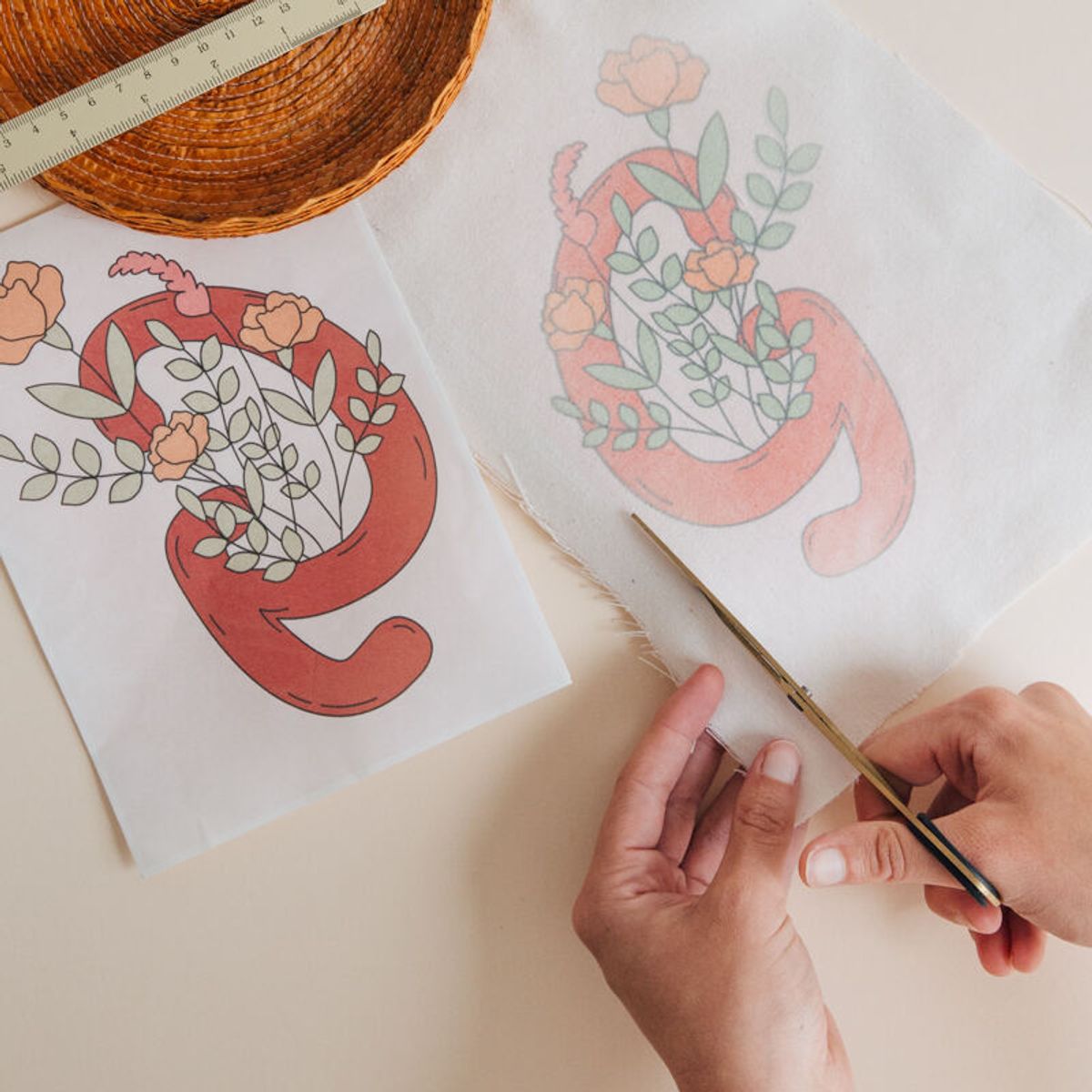
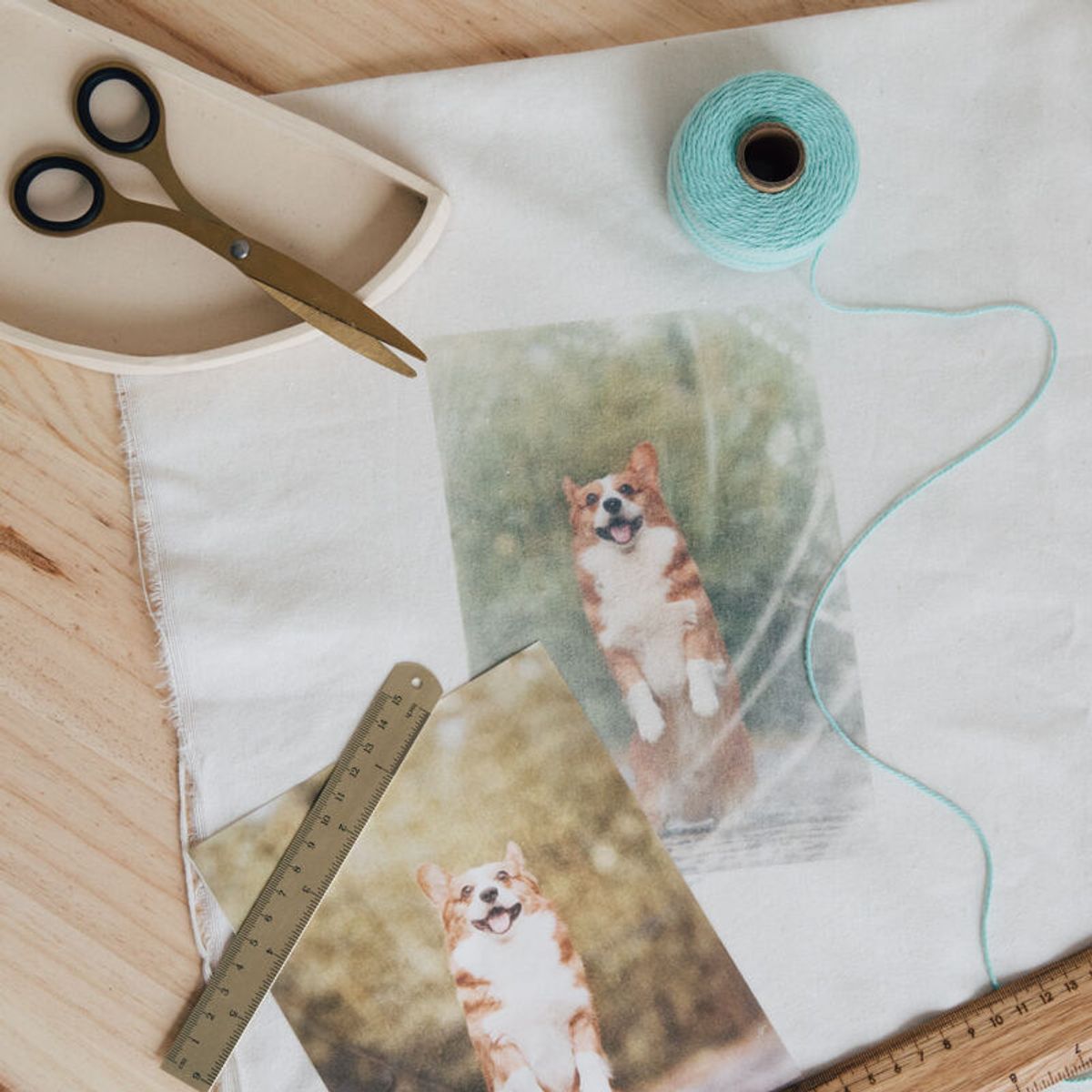
Ordering Instructions For Printed Dye Sub Transfer Paper
You will be offered two types of printed paper (an important choice) of either textile or rigid super dry substrate paper. A textile paper is self-explanatory - you might be printing fabric for t-shirts for example. Rigid or Super Dry paper is for hard objects that accept sublimation printing. Use our online system to upload your image and size. Please double check your dimensions and paper type choice before proceeding to payment as normally your photo transfer paper will be printed within one hour of placing your order.
Transfer paper works best on white fabric, if you use an alternative fabric your colours will be impacted. The print will still transfer, however you will find that the colours are not a perfect reproduction. The white area on the transfer paper is plain, there is no ink or dye to transfer onto the material. This means that any area which you leave white on your design will appear the colour of the material that you are using.
Notes: We offer a textile transfer paper (max 159cm wide) and a hard surface transfer paper (max 109 cm width), for rigid flat surfaces.
- Upload image the way you want it to appear on the finished product
- Transfer paper will be automatically mirrored for you to press. We automatically mirror - you do not need to do this
- Finish your design as you want to see it printed
- Use transfer paper between 180°C - 205°C. Time may vary between 50-110 secs
- Always experiment on a small piece to ensure the fabric or paper does not melt or scorch
- Ideal for polyester fabrics/substrate only
- Our transfer paper is not wet decal transfer paper
- Our paper is for use in heat press transfers only











 4
4